

Some thoughts on Ai art
There’s a lot of talk right now about Ai generated art and what it means for creators.
Personally, I don’t believe all the doom and gloom.
Some thoughts:
Creators adapt
Creators have always adapted to technology. We’ve gone from dark rooms to Adobe Lightroom. Musicians skip the gatekeepers and make a living without record labels thanks to streaming.
Leave it to creators to find creative solutions.

‘Humanmade’ will become a selling point
‘Handmade’ has always been regarded as a mark of luxury in fashion. I suspect we will start seeing a variation of this for artists and writers as AI generated work improves.
'Humanmade' will be the new 'Handmade'.
Ai will make a lot of things easier to do, making the old ways a lot more valuable.
We admire mastery and craftsmanship. We value people that choose to do things the hard way because we understand that it’s earned. Choose constant mastery and you have nothing to worry about.
Showing your work process becomes part of the marketing
Austin Kleon’s argument for showing your work and process should become a marketing tool for creators. Not only to “prove” the human made aspect, but, as Austin argues:
“Human beings want to know where things came from, how they were made, and who made them. The stories you tell about the work you do have a huge effect on how people feel and what they understand about your work, and how people feel and what they understand about your work effects how they value it.”

Shaped by the algorithm
I started using Feeder.co to read blogs, and it’s giving me so many great memories of late web 1.0/early web 2.0.
Right now I’m mostly reading personal blogs, like those by Austin Kleon and Derek Sivers. Both have very early web 2.0 vibes to them — personal, covering a wide range of topics, without any regard to SEO.
“Shaped by the algorithm” is a term used to describe the sameness we see with a lot of content on the web and social media these days.
A type of content gets a lot of views, likes, and clicks.
Algorithms recognize this and promote it.
More people see it and decide to create similar content because it gets more views, likes, and clicks. (This concept is also why Marvel movies all look and feel the same.)
This sucks for creativity and discovery.
For creators, I think it’s a good time to start thinking/living/creating outside of algorithms.
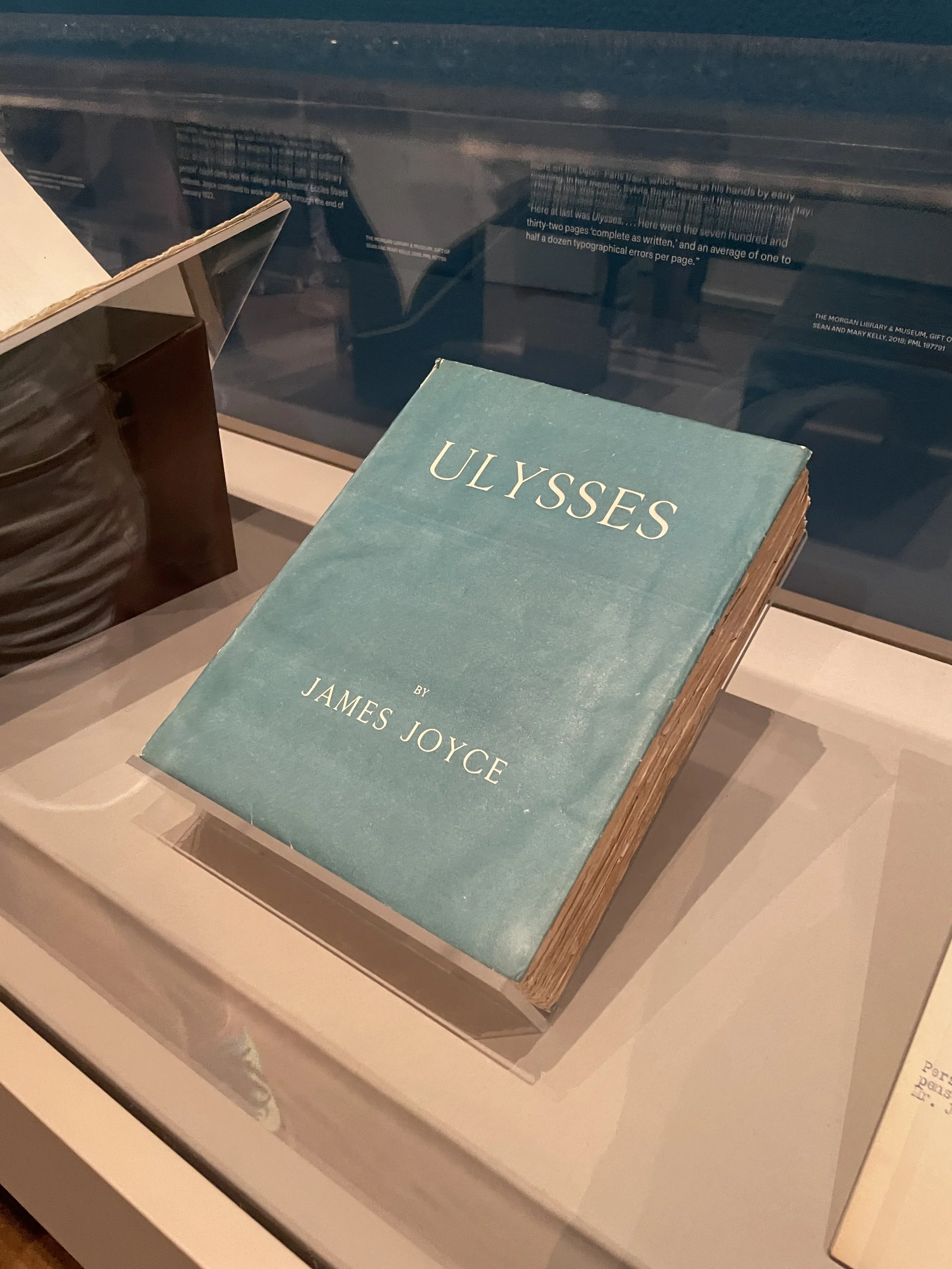
Nothing really changes
100 years ago artists were still dealing with the same problems: piracy, haters, and cheap customers.
My wife and I recently visited The Morgan Library and Museum and stumbled on an exhibit on the making of James Joyce’s Ulysses.
I’ve never read the book, but found the exhibit a fascinating reminder on how very little things change.
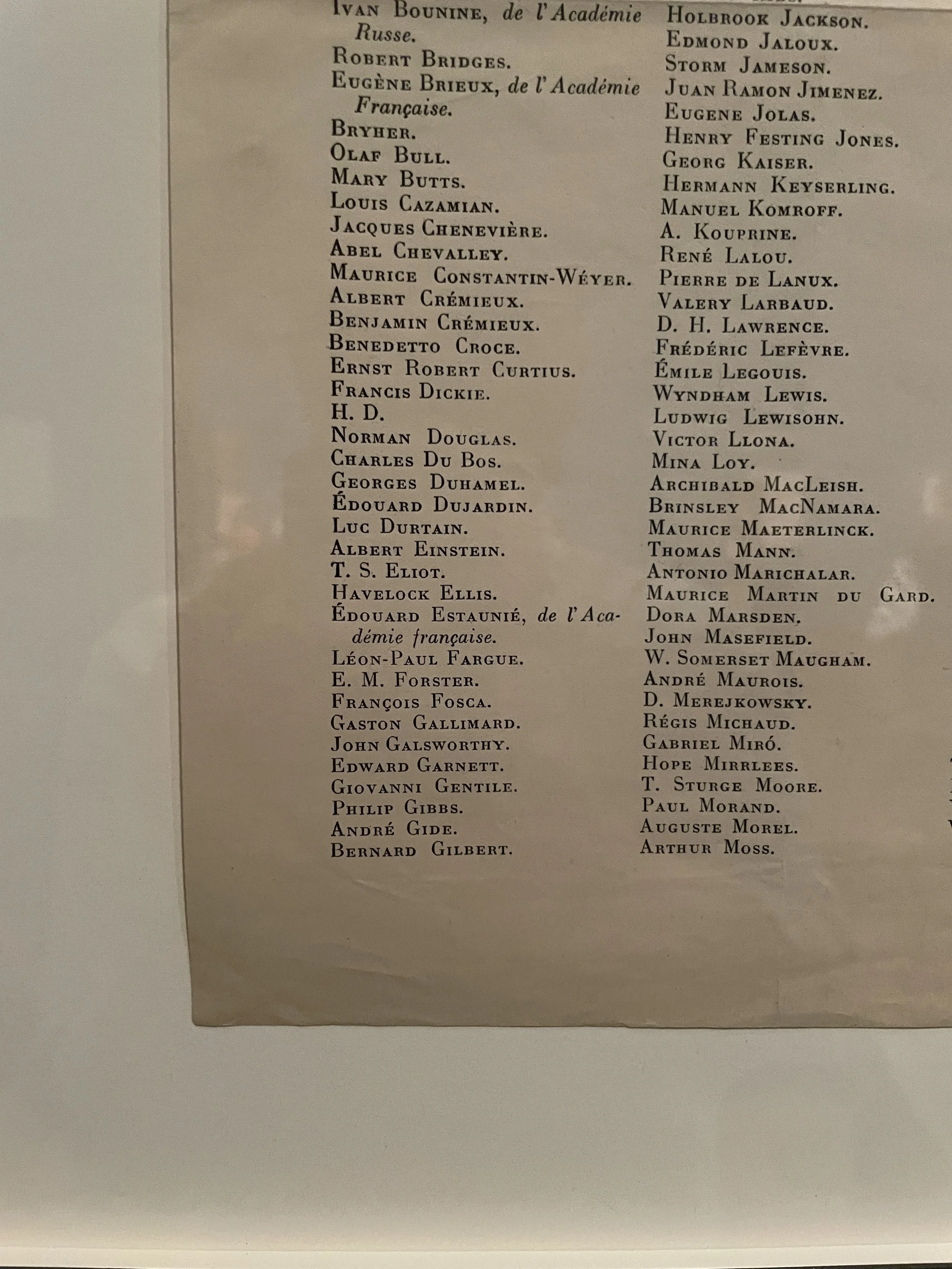
Piracy was still annoying
Ulysses was banned from publication in the U.S. until 1934. “Bookleggers” started printing edited excerpts of the book in the 20s.
Joyce couldn’t go after people illegally printing censored copies of Ulysses as it was technically banned, making it ineligible for copyright protection.
Joyce sent out a petition, signed by some big names like Albert Einstein, Hemingway, and Virginia Woolf, protesting bookleggers like Samuel Roth. In response, Samuel Roth pirated and sold the entire novel! (Dick!)
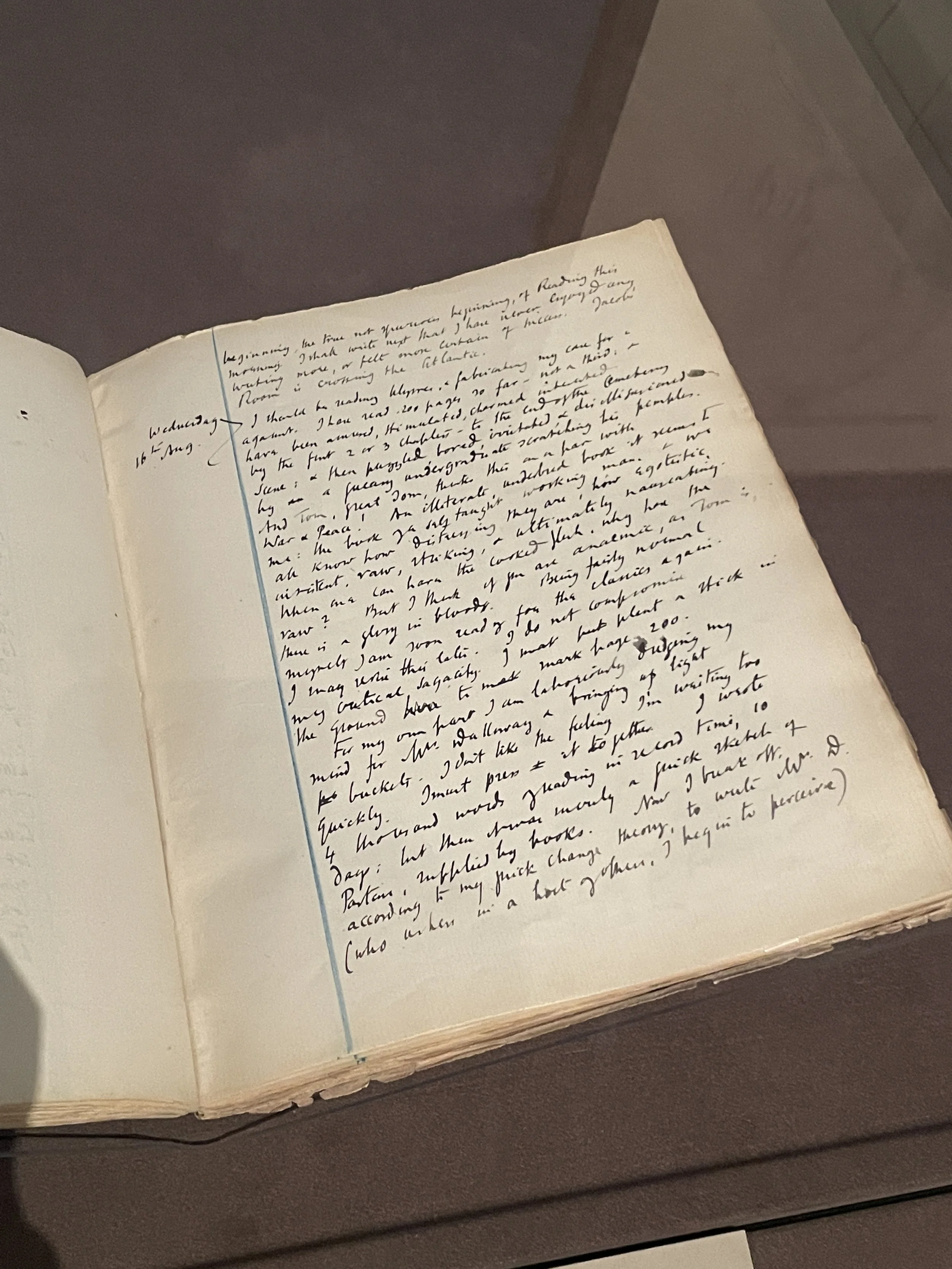
Virginia Woolf didn’t get the hype at first
Speaking of Virginia Woolf, her diary was on display, open to a very specific entry.
The plaque reads:
“Wolf's diary entry, which begins, "I should be reading Ulysses' and fabricating my case for and against," conveys a mix of emotions and opinions about the novel's first two hundred pages. Stimulated and amused by early episodes, Woolf is ultimately repulsed by its graphic passages. Shocked that "great Tom" (T. S. Eliot) rates it on a par with Leo Tolstoy's War and Peace, Woolf calls Ulysses an "underbred" novel by an egoistic "self-taught working man."
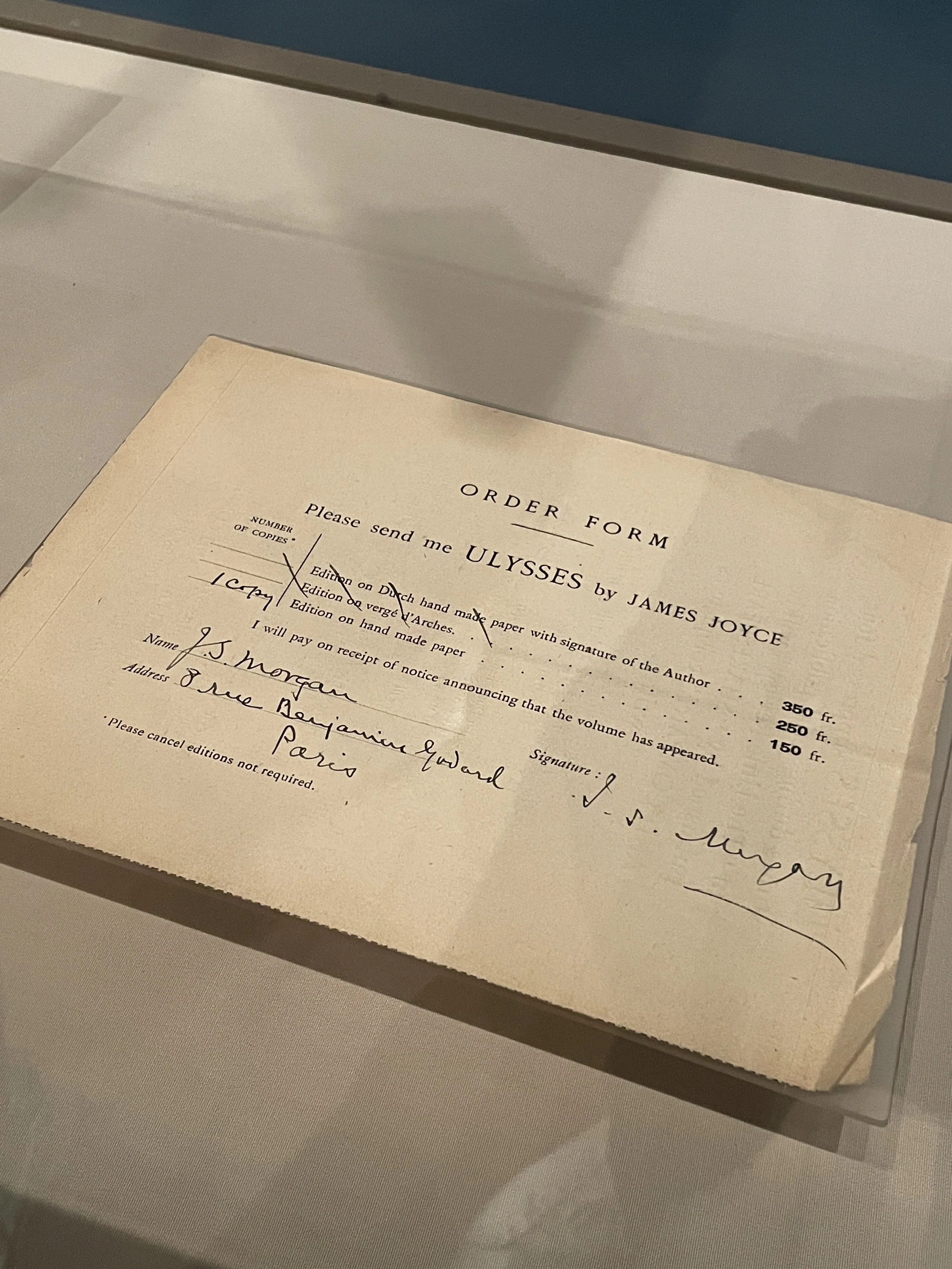
Rich people were still pretty cheap
This was by far my favorite little tidbit of the exhibit.
J.P. Morgan’s Ulysses order receipt from the famous Shakespear & Co bookstore of Paris.
3 copies were available:
A signed copy with crafted with handmade dutch paper
An unsigned copy made with vergé d’arches (a heavy watercolor paper)
A regular basic copy
My wife pointed out how funny it was that the great book collector and billionaire J.P. Morgan ordered the cheapest option.